

.png)
A video generation engineer is responsible for designing, implementing, and maintaining systems that create, process, and deliver video content.
This role can span a range of industries, from entertainment and live events to digital media platforms and AI-driven video production.
Depending on the organization, responsibilities may include setting up video production equipment and developing software for video processing.
Troubleshooting technical issues and collaborating with creative and technical teams to ensure high-quality video outputs are also key aspects of the job.
Essential Skills and Qualifications
Educational Background
Most employers require at least a bachelor’s degree in computer science, engineering, or a related technical field.
Some positions may accept equivalent practical experience, especially if you can demonstrate strong technical skills and a robust portfolio.
Technical Proficiency
To excel as a video generation engineer, you should develop proficiency in several areas.
Understanding camera operation, lighting, and audio fundamentals is crucial for hands-on roles.
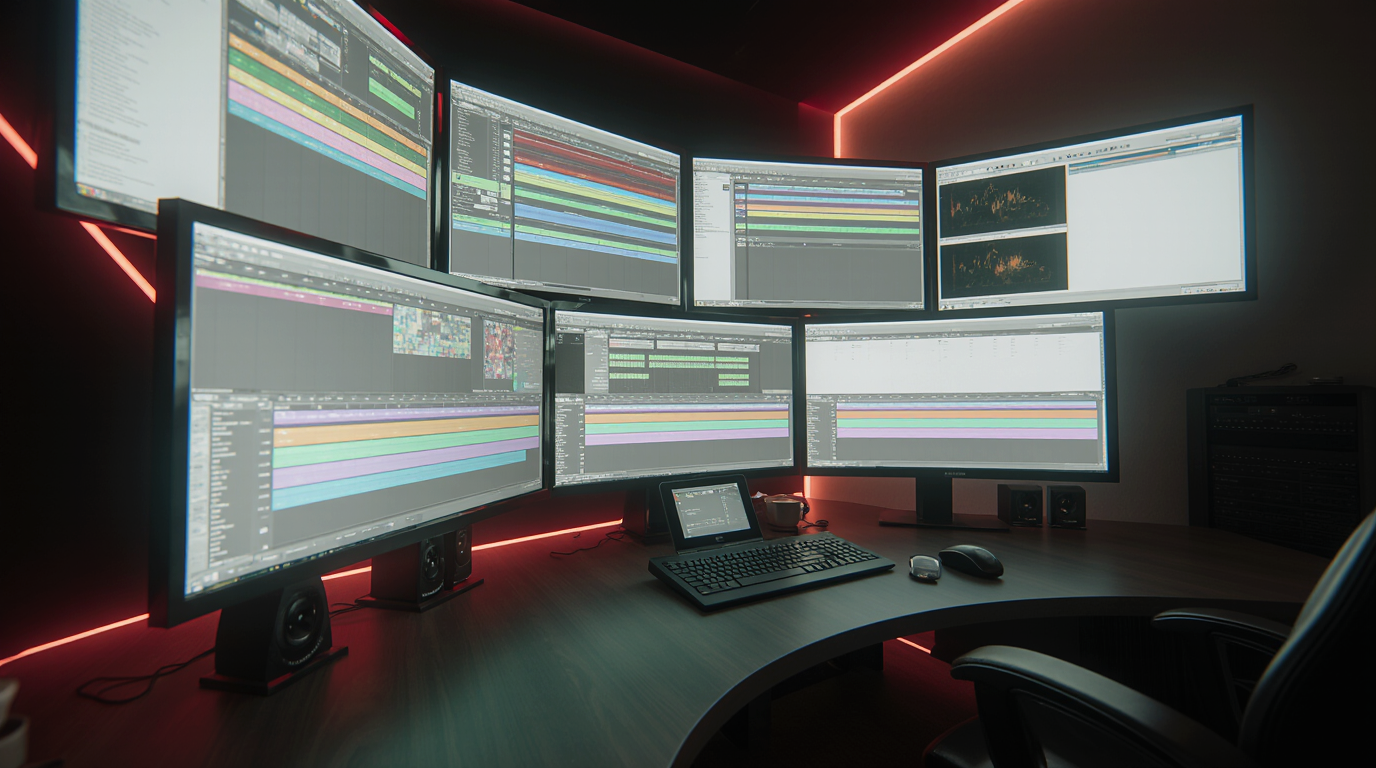
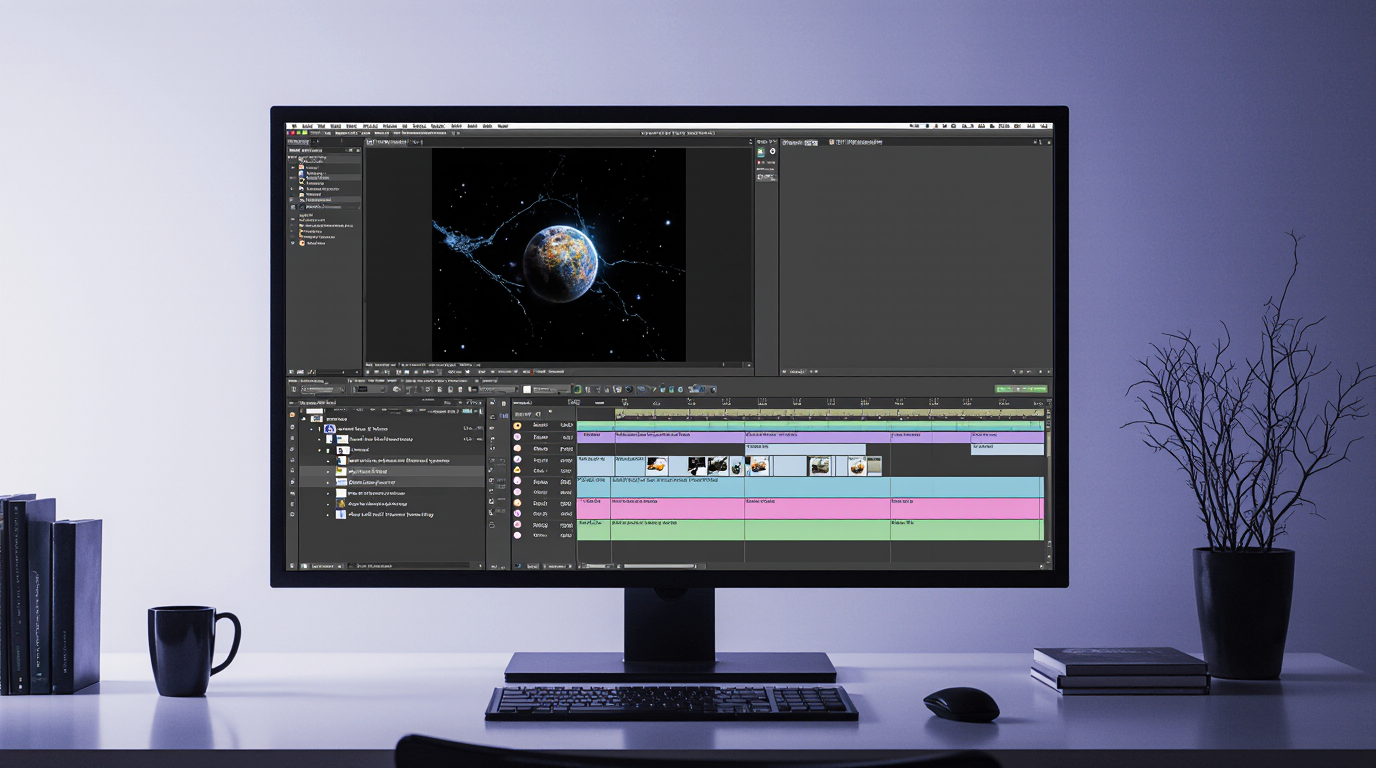
Familiarity with video editing software such as Adobe Premiere Pro, Final Cut Pro, or similar platforms is often required.
For software-focused roles, experience with programming languages like C++, Python, or similar is essential.
Knowledge of codecs, video formats, and compression techniques is important for optimizing video quality and delivery.
Experience with streaming platforms and protocols is a valuable asset for many employers.
Experience and Portfolio
Employers typically look for candidates with at least 2-3 years of relevant experience in video engineering, video processing, or software development for video applications.
Building a portfolio that showcases your work—whether it’s video content you’ve produced, software tools you’ve developed, or systems you’ve helped design—can significantly strengthen your application.

Building Your Career Path
Entry-Level Opportunities
Starting as a junior video engineer or in a support role allows you to gain hands-on experience with video production systems and editing workflows.
Troubleshooting technical issues is a common responsibility in these positions.
You may assist senior engineers, participate in live event setups, and contribute to post-production processes.
Advancing Your Skills
As you progress, focus on deepening your technical expertise by pursuing advanced training in video processing algorithms, AI/ML applications in video, or real-time streaming technologies.
Expanding your software development skills through projects that require full software development life cycle experience—including design, coding, testing, and deployment—is also important.
Staying current with industry trends is essential.
Video technology evolves rapidly, and continuous learning will help you remain competitive.
Specializing in Video Generation
Some engineers choose to specialize in areas such as AI-driven video synthesis and generation or real-time video streaming and encoding.
Others focus on video quality assessment and optimization or integration of video with web and mobile platforms.
Specialization can open doors to roles at leading tech companies, research labs, or innovative startups.
Preparing for the Job Market
Building a Competitive Application
To stand out, ensure your application highlights relevant education and certifications.
Demonstrate your technical skills and software proficiency.
Include a portfolio of completed projects or contributions, and showcase experience with collaborative, cross-functional teams.
Navigating the Hiring Process
Major employers like Amazon, Google, and Apple seek candidates with a blend of technical expertise and problem-solving abilities.
A track record of delivering high-quality results is highly valued.
Be prepared for technical interviews that assess your knowledge of video systems, programming, and troubleshooting.
Charting Your Growth as a Video Generation Engineer
A career as a video generation engineer offers diverse opportunities to work at the intersection of technology and creativity.
By building a strong technical foundation and gaining hands-on experience, you can position yourself for success.
Continuously updating your skills is key in this dynamic and evolving field.
