

.png)
An Audio Generation Engineer is responsible for creating, enhancing, and fine-tuning sound for a variety of media. This includes music, film, television, video games, and live events.
This role combines technical expertise with creativity to ensure high-quality auditory experiences. You might work in a recording studio, on a film set, or at a live venue.
Audio generation engineers may specialize in areas such as live sound, studio production, post-production, or interactive audio for gaming and virtual reality.
Essential Educational Background and Skills
Academic Pathways and Training
Most employers prefer candidates with a bachelor’s degree in audio engineering, sound design, music production, or a related field.
These programs typically cover acoustics and sound theory, electronics and signal processing, digital audio technology and software, music theory and composition, and audio editing and mixing techniques.
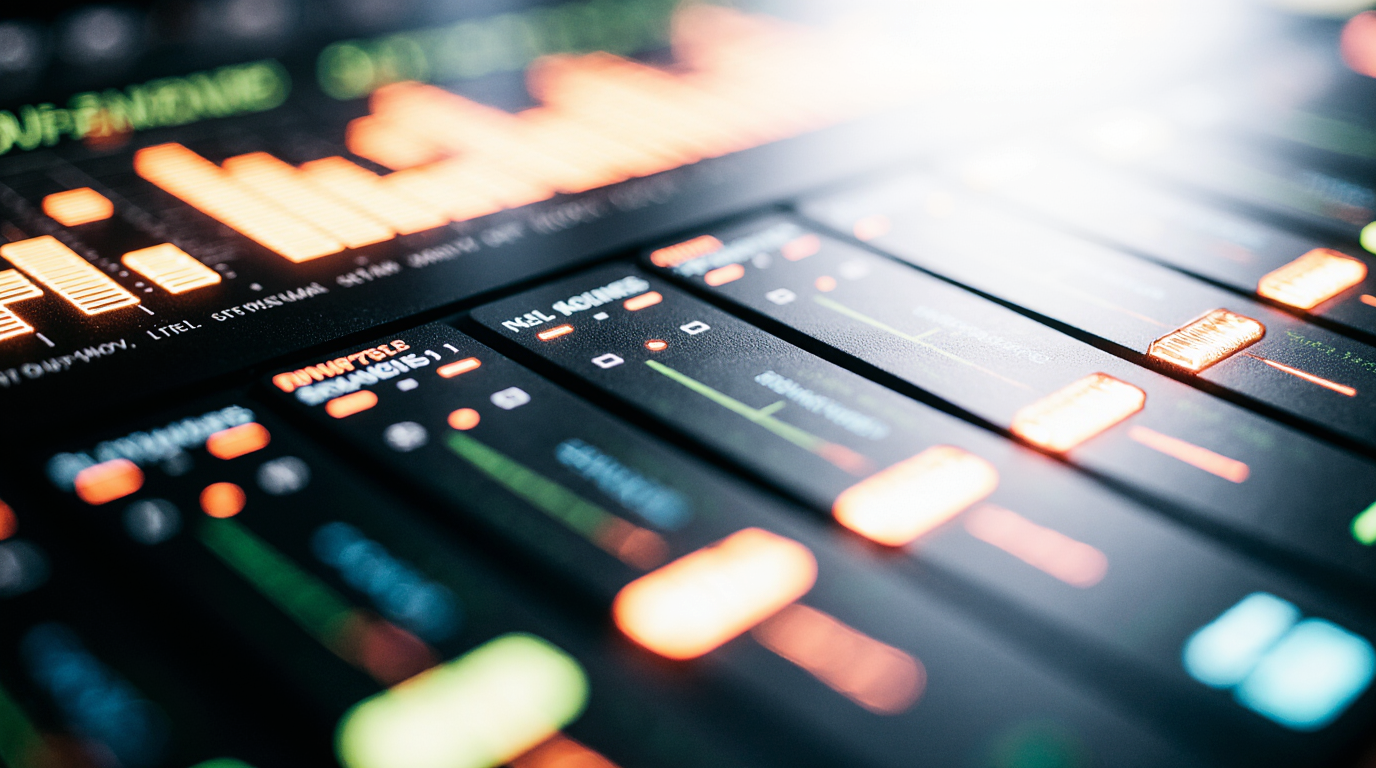
Technical Proficiencies
To excel as an audio generation engineer, you should develop proficiency in audio editing software and plugins, such as Pro Tools, Logic Pro, and Ableton Live.
Understanding signal flow and audio routing in both studio and live environments is essential. You should also be comfortable with audio interfaces, microphones, and recording equipment.
Mixing, mastering, and sound design for various media formats are key skills to master.

Soft Skills and Professional Attributes
In addition to technical skills, successful audio engineers demonstrate excellent communication and collaboration skills.
Problem-solving abilities and adaptability under pressure are important. Creativity and a passion for sound help you stand out.
Attention to detail and a proactive approach to challenges are also highly valued.
Gaining Practical Experience
Entry-Level Opportunities
Most audio generation engineers begin their careers as assistant engineers. This involves supporting lead engineers during recording sessions, live events, or post-production projects.
This stage is crucial for developing practical skills, building industry knowledge, and forming professional relationships.
Advancing in the Field
With experience, you can progress to managing entire sessions and collaborating directly with artists, producers, or directors.
You’ll take on more creative and technical responsibilities. Specialized tracks include live sound engineering, where you manage sound during live performances and events.
Studio engineering involves recording, mixing, and mastering music in studio settings. Post-production engineering focuses on editing and mixing audio for film, TV, and games.
Audio for gaming and VR centers on designing immersive soundscapes for interactive media.

Exploring Diverse Career Paths in Audio Generation
Audio generation engineers are not limited to traditional studio roles.
Alternative career paths include post-production audio, where you enhance audio for film, television, and video games. This includes dialogue editing, sound effects, and mixing.
In live event production, you collaborate with event teams to deliver high-quality sound at conferences, concerts, and festivals.
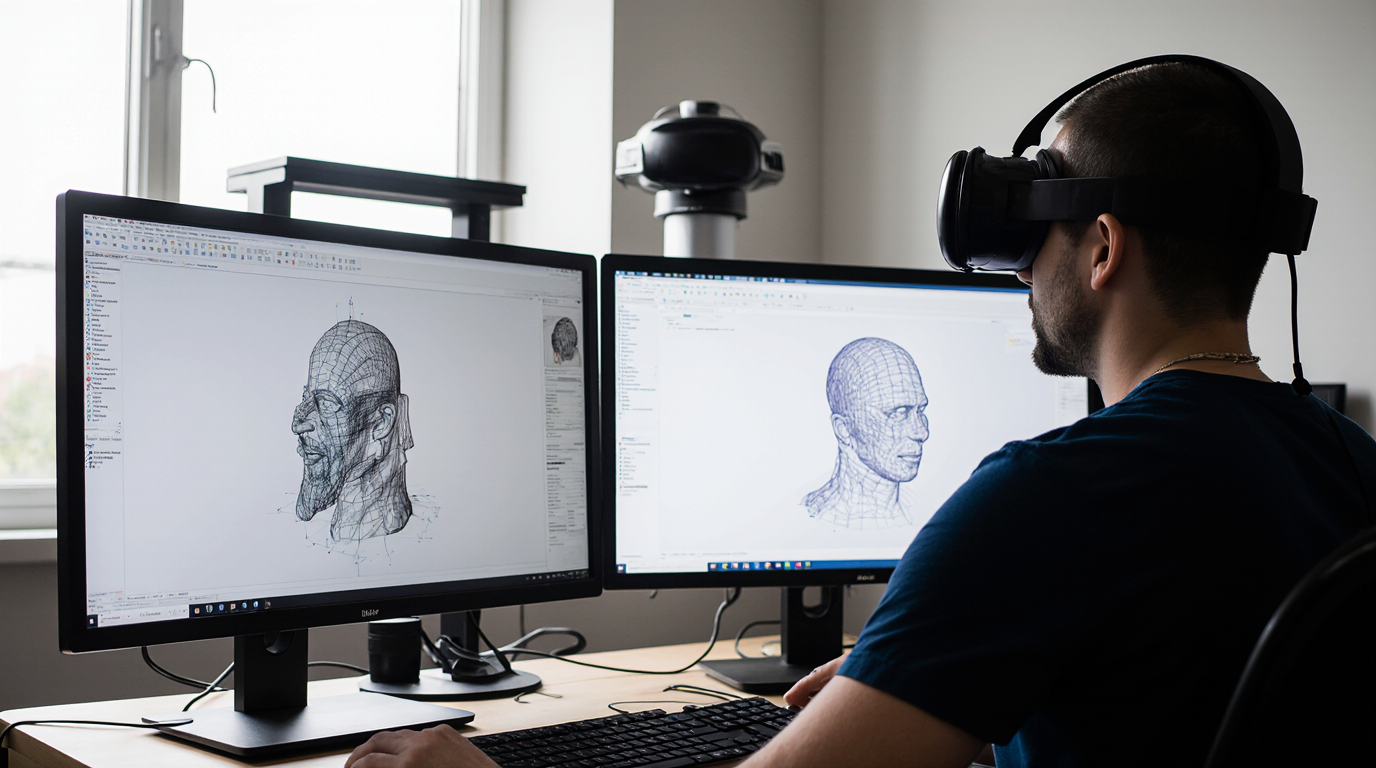
Another path is gaming and virtual reality audio, where you create interactive and immersive audio experiences for the rapidly growing gaming industry.
Building a Competitive Edge in the Industry
Professional Development and Networking
Continuous learning is vital in this field. Stay updated with the latest audio technologies, attend workshops, and seek professional certifications.
Networking with other professionals and joining industry organizations can open doors to new opportunities and collaborations.
Workplace Culture and Opportunities
Many employers offer flexible work hours, remote work options, and professional development opportunities.
The industry values diversity and encourages applicants from various backgrounds. Unique perspectives can drive innovation in audio engineering.
Preparing for Your First Role as an Audio Generation Engineer
To launch your career, pursue relevant education and training in audio engineering or related fields.
Develop technical and soft skills through coursework, internships, or personal projects. Gain hands-on experience as an assistant or intern in studios, live events, or post-production environments.
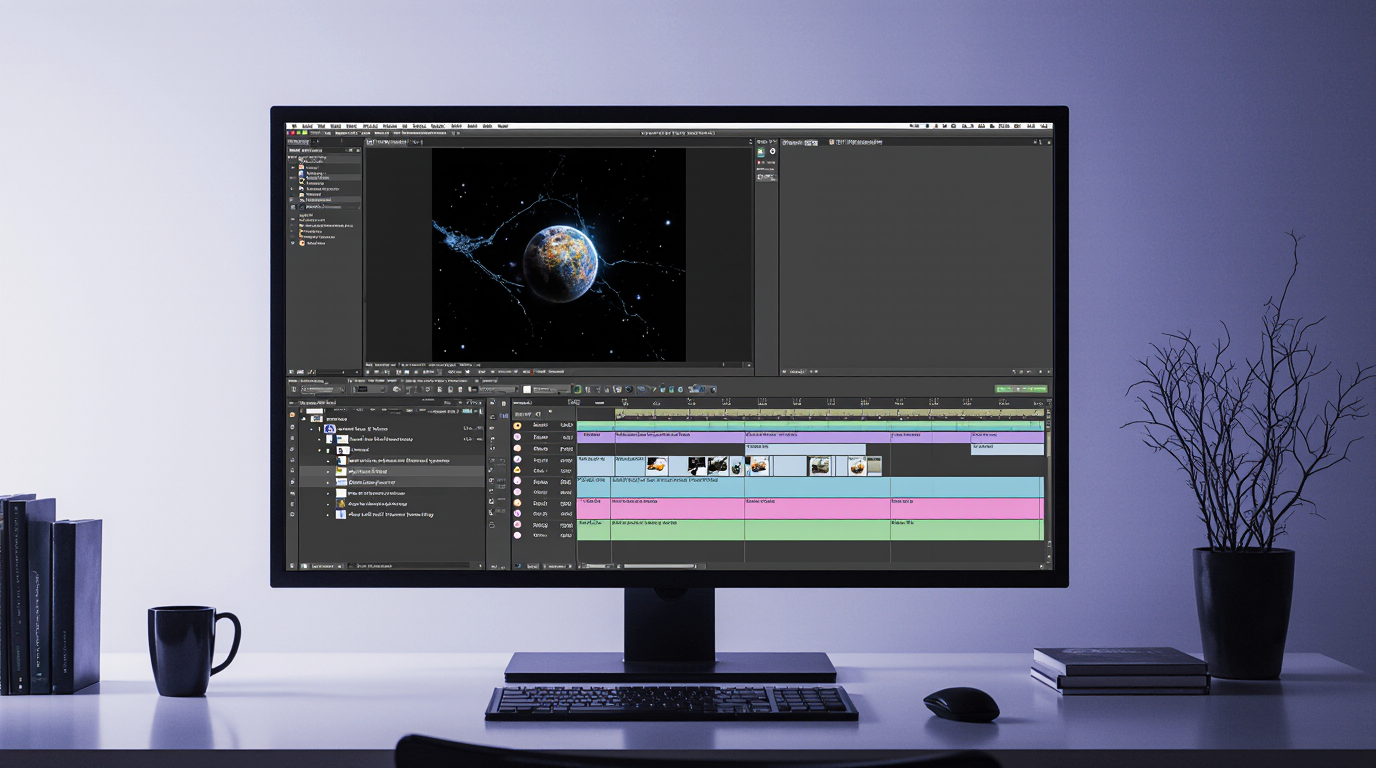
Build a portfolio showcasing your work in different media formats. Network with industry professionals while staying engaged with the latest trends and technologies.
Audio generation engineering is a dynamic and rewarding field that blends technology, creativity, and collaboration.
By following these steps, you can build a strong foundation and thrive in a variety of audio-focused careers.
